
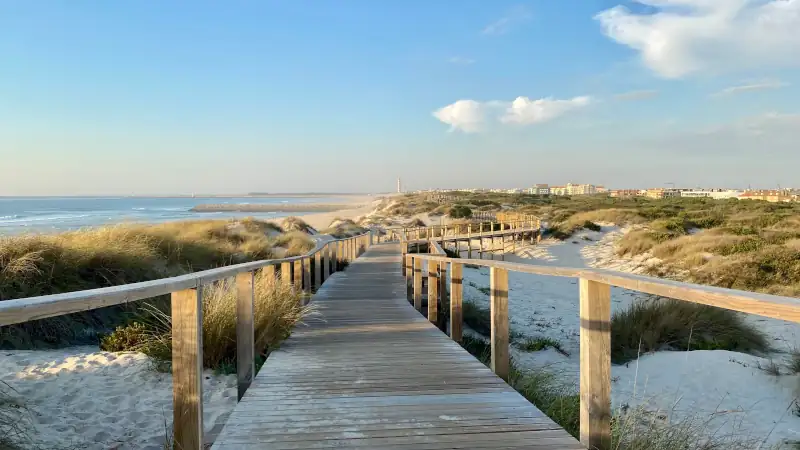
Fixing and flipping property overseas is rarely as straightforward as it is in the U.S., and profits can evaporate quickly if you don’t factor in transfer taxes and other friction costs.
So when I was introduced to a Portugal-based developer with a proven track record in short-cycle renovation projects, I took notice…
I spoke with her to understand what makes the model work, why it’s attracting global investors, and how her newest “fix-to-flip” project fits into the growing trend of short-duration, fixed-return opportunities.
These aren’t traditional ownership plays… You’re not buying rental property or managing anything yourself. You’re participating financially in the value created through the renovation itself.
This model works best with smaller, experienced developers who know how to identify undervalued buildings and turn them around quickly…
That’s exactly what my contact has been doing in Portugal. She’s built a strong track record, and she recently opened a new project on the Silver Coast. It’s a beachside redevelopment offering a one-year fixed return of up to 20%, with a minimum investment of €50,000.
Why Short-Cycle Investing Is Growing
Uncertainty has been the dominant theme across global markets over the past few years…
Interest rates swing, political environments shift, tourism rises and falls, and construction costs fluctuate. In this context, long development timelines have become riskier.
Many global property investors who once targeted multi-year, multi-phase projects are now seeking smaller projects, shorter construction cycles, and clearer exit strategies. A 12-month timeline is easier to endure than a 36-month one. Markets are less likely to change as dramatically in a year.
Portugal, particularly the Silver Coast, is full of older buildings in great locations that need complete renovation…
Once updated, they appeal to local and foreign buyers looking for lifestyle and investment property. The combination of undervalued inventory and strong demand makes short-cycle redevelopment a compelling opportunity.
How The Investment Structure Works
These projects are structured using a CAEP, a Contrato de Associação em Participação. Most international investors have never heard of a CAEP, but it’s a long-established framework used for business partnerships and development projects in Portugal.
In short, a CAEP is a joint venture contract where one or more people invest in the economic activity carried out by another, participating in any profits and losses generated.
In terms of my contact’s renovation projects, you participate in the results of a renovation project. The developer executes the construction; you share in the financial outcome.
A typical CAEP in Portugal ties investor returns to the final sale prices of the units. If the market softens, the investor’s payout shrinks. If buyers take longer to appear, investors wait longer to be paid.
That’s the traditional model. My contact’s approach differs in some important ways:
- First, the return is fixed. It does not depend on whether the final units sell at a premium or at conservative pricing.
- Second, the payout target is 12 months, not the 24 to 36 months that is common in new construction.
- Third, investors are contractually paid before the developer takes any profit.
Additional safeguards reduce some of the uncertainties that come with typical development deals…
There’s a first-rank mortgage option for this investment, but this can only be implemented after the full acquisition of the property. There’s also an institutional refinancing plan in place so that investors can be paid out even if off-plan sales occur slower than projected.
Track Record And Why It Matters
Over the past few years, my contact has structured more than €3 million in co-investments across multiple projects in Portugal, primarily in Lisbon, Porto, Figueira da Foz, and the Silver Coast.
Her focus has been on older buildings in premium or near-premium locations with clear redevelopment potential… exactly the kind of projects well suited to short-cycle renovation.
One of her recent projects, a 27-unit building in a marina area on the Silver Coast, was fully funded quickly. I spoke to investors who had positive feedback about the transparency, the reporting, and the professionalism of the process.
One told me she enjoyed receiving photo updates of the demolition progress through WhatsApp and appreciated how easy the communication was, especially when she had funding delays.
Another investor hired an independent lawyer to conduct due diligence and still came away impressed with the clarity of the documentation and the developer’s responsiveness.
Inside The New Project On The Silver Coast

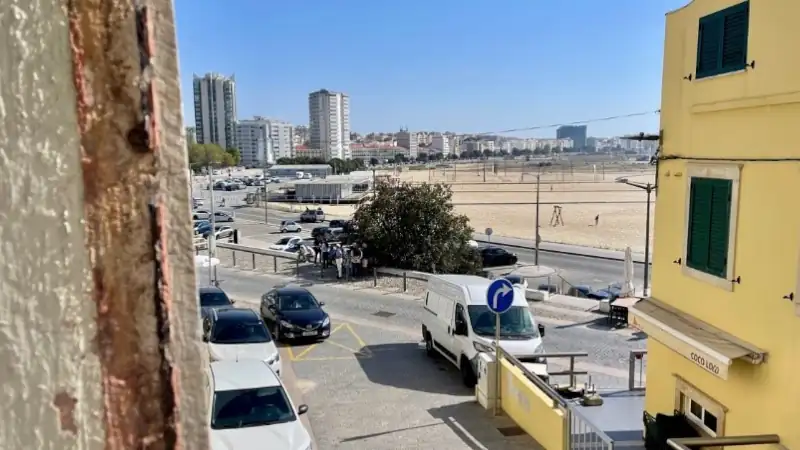
The newest project is smaller than the marina building—just nine apartments—but in an even stronger location, right next to the beach. The timeline is about one year: 12 months for construction and an additional 2 months for licensing, although the main permits are already approved.

Construction is already underway… The concrete slabs and the framework are complete, which removes a portion of construction risk. The plan is to sell all units off-plan, which is common in Portugal and effective in high-demand coastal towns with limited new inventory.
The minimum investment amount is €50,000. The fixed return is currently 20%, reflecting the reduced risk as the construction progresses…
The exit plan is straightforward. Investor repayment is scheduled at the 12-month mark. Funds will come from off-plan sales. If the timing of sales changes, the project has a refinancing option with a bank to ensure investors are paid on time.
For investors who want additional security, there is a first-rank mortgage option, but this can only be implemented after the full acquisition of the property…
Beyond the structure, the underlying asset is appealing. The building will offer balconies, terraces, high ceilings, an elevator, luxury finishes, double-glazed windows, a gated community setting, and rental licensing. It’s in a great location right next to the beach and less than 10 minutes from shops, restaurants, schools, pharmacies, public transport, and other amenities.
The estimated selling price of units is just over €210,000, with fair market assessments closer to €225,000 and upper-end possibilities above €240,000. Renovation costs are projected at €608,500.
Why This Works For International Investors
International investors often fall into two categories: those looking for a lifestyle property and those seeking returns without the complications of ownership. This model is designed for the second group.
You’re not dealing with tenants, short-term rental regulations, management companies, or the bureaucracy of foreign property registration. The developer handles everything. Your role is financial.
At the same time, you’re not entering a long, unpredictable development cycle. The timeline is short, the return is defined, and the exit is clear. For investors who want exposure to Portugal but don’t want to buy a property or manage anything, this is a great alternative.
Understanding The Risk
No development is ever risk-free. Construction delays can happen. Materials can become more expensive. Contractors can fail to meet deadlines. Sales cycles can slow, especially in unpredictable economic periods…
That said, the structure of this project mitigates several risks. There are penalties for late payout, which incentivize timely completion. The refinancing plan ensures liquidity even if buyers take longer to finalize. Investors are paid before the developer profits. Construction has already moved past the most uncertain early stages. And the optional mortgage adds an additional safety layer.
Who This Investment Makes Sense For
Short-cycle co-investments tend to suit people who want clear timelines and defined returns and who are more comfortable with the idea of participating in a redevelopment project rather than owning property outright.
It’s a good fit for those who like development-style yields but don’t want multi-year commitments or the complexity that comes with property ownership.
On the other hand, it’s probably not suitable for investors who want long-term rental income, who need guaranteed liquidity, or who prefer to have full control over their assets.
My Takeaway
This opportunity isn’t an REIT or timeshare… it isn’t a long-term speculative bet either. It’s a one-year participation in the value created by turning an old building into a modern, desirable property in a strong coastal market.
My contact’s track record, the investment structure, her transparency with investors, and the early progress on this particular project make it a compelling opportunity. The timeline is short, the structure is clear, and the incentives are strong.
If the idea of participating in a renovation for a fixed profit rather than owning property outright appeals to you, this project deserves your attention. Click here to get in touch with my contact on the ground.
To smooth travels and successful property buys,

Sophia Titley
Editor, Overseas Property Alert